Watercolor Floral Boho Wedding Deer Review
As someone who has spent years reviewing machine embroidery design assets for everything from boutique branding to custom baby gifts, I know that the difference between a good product and a great one often comes down to how it translates from screen to fabric. Today, I am evaluating the Watercolor Floral Boho Wedding Deer. At first glance, this piece of Illustrations catches the eye with its soft, romantic aesthetic, but does it hold up when you are actually stitching it out? This review breaks down exactly what happens when you take this Graphics asset and turn it into a tangible handmade product.
The First Impression: Mood and Visual Personality
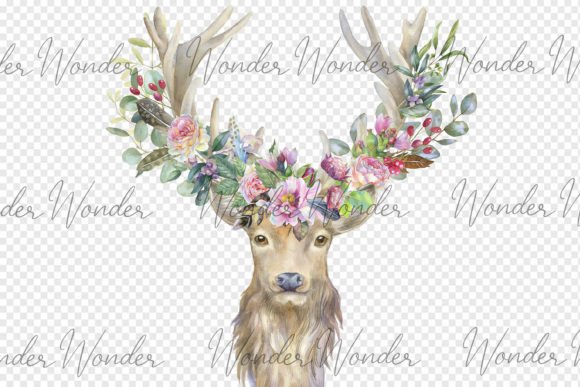
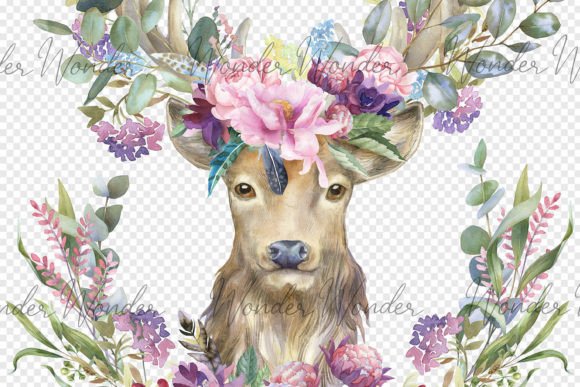
The moment you open the file for the Watercolor Floral Boho Wedding Deer, the vibe is immediately established. It isn't just a clipart image; it carries a specific emotional weight suitable for weddings, bohemian-themed events, or rustic home decor. The watercolor style suggests fluidity and softness, which is a distinct departure from the sharp lines of traditional vector art. For an embroidery project, this is crucial because it dictates how the stitches will interact with the visual.
In my experience, designs with a "boho" theme rely heavily on organic shapes rather than rigid geometry. This deer motif, surrounded by floral elements, promises a gentle look that feels natural and unforced. When placed on a canvas, it creates a sense of warmth and approachability. However, as a designer, I always ask myself: does this translate well to thread? The transparent background mentioned in the description is a practical feature that allows for easy placement behind any color background in your digital mockups, giving you flexibility before you even cut the fabric. But once that needle starts moving, the real test begins.
Real-World Application: A Custom Tote Bag Scenario
To understand the true value of this Watercolor Floral Boho Wedding Deer, let's imagine a real-life scenario. You are preparing for a local craft fair and want to create a line of custom embroidered tote bags for bridesmaids or wedding guests. You decide to use this design as the centerpiece of your tote bag design.
When I visualize the final finished product, the watercolor aesthetic works beautifully against a natural linen or cream-colored cotton canvas. The soft edges of the deer blend seamlessly with the texture of the fabric, creating a sophisticated look that elevates the perceived value of the item. Customers browsing an Etsy shop are drawn to items that feel artisanal, and this design delivers that craft business appeal instantly. It fits perfectly into the narrative of a personalized gift, suggesting care and attention to detail.
However, if you were to attempt this same design on a dark navy hoodie, the result might be different. While the transparent background allows you to place the image anywhere digitally, the physical reality of thread colors plays a massive role. Without a solid white underlay or a specific color palette chosen to contrast against the dark fabric, the delicate watercolor details could get lost. This is where practical judgment comes in. The design shines best on light to medium-toned fabrics where the subtle shading of the original artwork can be mimicked through careful stitch density and color selection.
Performance Across Different Materials and Garments
This embroidery file is versatile, but it requires strategic placement depending on the garment. For sweatshirt embroidery, the larger surface area provides ample room for the floral details to breathe. The design would look stunning on the back yoke of a crewneck sweatshirt, offering a statement piece that stands out without being overwhelming. Similarly, for baby embroidery on onesies or bibs, the gentle theme is appropriate, though the scale must be adjusted carefully to avoid looking too large for a small chest.
I also considered using this for embroidered patches. If you plan to cut around the design to create a patch, the organic shape of the deer and flowers makes it ideal. Unlike square or rectangular designs, this flows naturally off the edge of a patch, adding a unique touch to denim jackets or hats. For apron embroidery in a kitchen setting, the boho theme adds a cozy, farmhouse charm that pairs well with wooden accents and dried flowers.
Yet, there are limitations. If you are working with stretchy fabric like jersey knit for t-shirts, you must ensure the stabilizer choice is robust enough to prevent puckering. The intricate details of the watercolor effect require stability; otherwise, the fine lines of the flowers might distort. Furthermore, for commercial embroidery projects involving frequent washing, such as uniforms or high-volume merchandise, the durability of the stitch pattern becomes paramount. Designs with very fine, isolated details sometimes wear faster than bold, simple motifs.
Where to Exercise Caution
While the Watercolor Floral Boho Wedding Deer is visually appealing, there are specific scenarios where you should proceed with caution. Small hoop sizes are a primary concern. If you attempt to stitch this on a cap or a small hat, the curve of the surface combined with the limited space might force you to simplify the design significantly. In these cases, the delicate watercolor strokes could become muddy or indistinguishable.
Textured fabrics, such as heavy wool or bouclé, present another challenge. The uneven surface can make it difficult to achieve the smooth gradients implied by the watercolor style. Additionally, if you are working with thin fabric, the density required to hold the shape of the deer might cause the material to pucker or tear. Always inspect the design for dense stitch areas and consider whether the fabric can support that level of coverage without compromising its integrity.
Another critical factor is the nature of the file itself. The description notes that this is a sublimation PNG image and explicitly states, "This is not an SVG image." This is a vital distinction for anyone looking to digitize their own work. If you intend to use this as a base for converting into a machine embroidery format, you will need to trace the image manually or use digitizing software to convert the raster data into vector paths. Do not assume it is ready-to-stitch without verifying the file type and ensuring you have the necessary tools to prepare it properly.
Designer Notes for Success
Before you commit this design asset to a production run, here is my professional advice. First, test the design on scrap fabric. This is non-negotiable. Run a test stitch-out to check how the stitch density interacts with your chosen thread colors. You might find that certain shades of blue or green in the watercolor effect need to be replaced with higher-contrast threads to maintain clarity.
Review the hoop size requirements relative to your machine capabilities. Ensure you are using the correct type of stabilizer—cut-away stabilizers are generally recommended for woven fabrics to prevent distortion over time. Also, test the design in black and white mockups to see if the contrast holds up without relying on color. This helps identify potential issues with detail loss early in the process.
Finally, confirm your licensing terms. Whether you are selling small shop products or offering personalized gifts, you must verify that you have the commercial rights to use this digital embroidery file in finished goods. Check the specifics regarding the number of items you can produce and any restrictions on redistribution. By following these steps, you ensure that your brand consistency remains high and your customers receive a professional, high-quality item that reflects well on your reputation.
The Watercolor Floral Boho Wedding Deer offers a beautiful opportunity to create meaningful, aesthetically pleasing items for your clients. With the right preparation and an understanding of its strengths and limitations, it can be a standout addition to your portfolio of graphics and illustrations for the modern crafter.